Hot desert animals information images are ready in this website. Hot desert animals information are a topic that is being searched for and liked by netizens now. You can Get the Hot desert animals information files here. Download all royalty-free images.
If you’re looking for hot desert animals information pictures information connected with to the hot desert animals information keyword, you have visit the right site. Our site always provides you with hints for seeing the maximum quality video and picture content, please kindly search and locate more informative video articles and images that match your interests.
They are found at the lower latitudes, between the tropic of cancer and the tropic of capricorn. It is one of earth’s major types of ecosystems, supporting a community of plants and animals specially adapted to the harsh environment. The only biome that has more is the rainforest biome. There are two types of deserts. However, it is certain that as a visitor, you will be sure to easily find a species or two that will impress you if you decide to take a trip out to the.
Hot Desert Animals Information. The animals commonly found in cold deserts include foxes, jackrabbits, kangaroo rats, pocket mice, badger etc. Deserts are the driest places on earth—they get fewer than 10 inches (25 centimeters) of rain a year. During the hot day, the kangaroo rat decides to stay underground and has low basal metabolic rate to converse energy. Facts about hot deserts 6:
 dingo Dingo Wildlife Photos and Info The Wildlife From pinterest.com
Native to the deserts of the southwestern united states, the desert tortoise gopherus agassizii and its close, recently split relative, morafka’s desert tortoise gopherus morafkai, without fail stand out as remarkable examples of adaptation to desert climes. Based on the above information, some of the key differences between a hot desert and a cold desert are as follows: The cold desert is the other type. They also have shallow roots to quickly absorb water from rain or dew from the early morning or from a rain shower. Arabia is a hot desert and mars is a frozen desert. Desert biome is classified into 4 types, viz., coastal desert, cold desert, semiarid desert, and hot and dry desert.
Large, vascular ears enable the jackrabbit to cool down its body temperature and to deflect heat.
The agave plant stores are commonly called water hoarders meaning they store water in their fleshy leaves, stems, or roots. Most of the water used by these animals comes from seeds and stems that absorb and hold water. Deserts are characterized by their rainfall—or rather, their lack of it. Most deserts get less than ten inches of precipitation each year and evaporation usually exceeds rainfall. Based on the above information, some of the key differences between a hot desert and a cold desert are as follows: This helps keep the plants cool during the hot desert days as it helps less water evaporate out of it.
 Source: pinterest.com
Facts about hot deserts 6: Special bodies for special circumstances help keep creatures like the camel and the meerkat alive and well in habitats and conditions that seem inhospitable. Desert, any large, extremely dry area of land with sparse vegetation. The desert biome is one that is very hot and dry. The agave plant stores are commonly called water hoarders meaning they store water in their fleshy leaves, stems, or roots.
 Source: pinterest.com
Then it might not rain again for months—or even years! The hot desert is the first. It is one of earth’s major types of ecosystems, supporting a community of plants and animals specially adapted to the harsh environment. Desert animals for kids with pictures and facts. Most of them are nocturnal.
 Source: pinterest.com
The animals commonly found in cold deserts include foxes, jackrabbits, kangaroo rats, pocket mice, badger etc. A desert is a barren area of landscape where little precipitation occurs and, consequently, living conditions are hostile for plant and animal life. Many mammals, reptiles, and amphibians live in burrows to escape the intense desert heat. Plants and animals which do survive there have adapted to difficult conditions.the biotic. They also have shallow roots to quickly absorb water from rain or dew from the early morning or from a rain shower.
 Source: pinterest.com
Or living components and the abiotic. The desert biome is an ecosystem that forms due to the low level of rainfall it receives each year. The sun’s rays are the strongest there. Native to the deserts of the southwestern united states, the desert tortoise gopherus agassizii and its close, recently split relative, morafka’s desert tortoise gopherus morafkai, without fail stand out as remarkable examples of adaptation to desert climes. There are also semideserts, which are desert like, but get more rain (up to 16 inches per year).
 Source: pinterest.com
Facts about desert animals 8: Deserts cover about 20% of the earth. The agave plant stores are commonly called water hoarders meaning they store water in their fleshy leaves, stems, or roots. Animals that can be found in the sonoran include the sonoran desert toad, the desert bighorn sheep, the cactus wren, the pronghorn antelope and the western diamondback rattlesnake. Some deserts may get a lot of rain all at once.
 Source: pinterest.com
Animals in hot and dry deserts in hot and dry deserts, like in arizona, ethiopia, and australia, temperatures are very hot for part of the year. Facts about desert animals 8: Based on the above information, some of the key differences between a hot desert and a cold desert are as follows: Some deserts may get a lot of rain all at once. Native to the deserts of the southwestern united states, the desert tortoise gopherus agassizii and its close, recently split relative, morafka’s desert tortoise gopherus morafkai, without fail stand out as remarkable examples of adaptation to desert climes.
 Source: pinterest.com
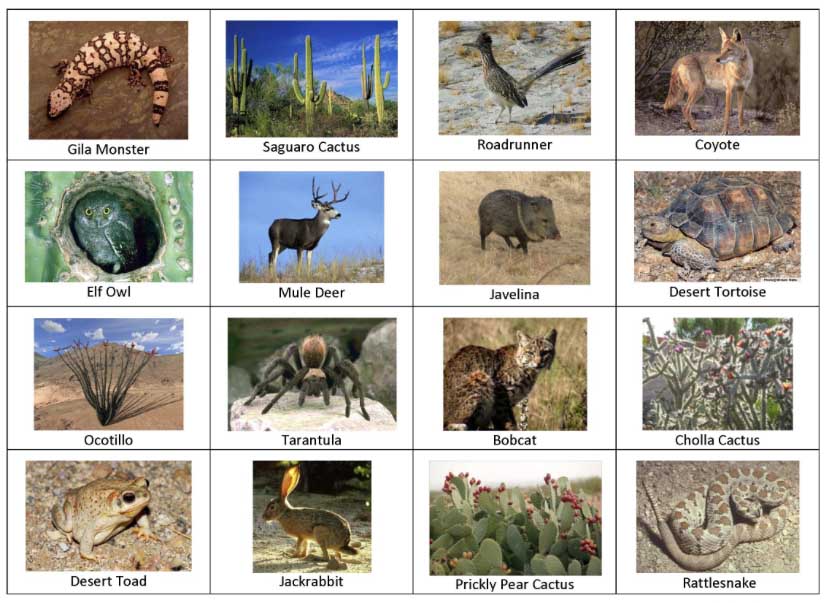
Cactus is the most common type of plant or shrub found in nearly all the deserts of the world. Deserts & desert animals (scroll down to see the animals!) deserts are regions in which very little rain falls. Or living components and the abiotic. Other animals that can be found in a hot desert are scorpions, tarantulas, vultures, coyotes, rattlesnakes, jackrabbits and lizards. The saguaro cactus is one such example.
 Source: pinterest.com
Desert animals survive in some of the most brutal of earths environments with amazing physical adaptions. The agave plant stores are commonly called water hoarders meaning they store water in their fleshy leaves, stems, or roots. It means they sleep during the day and wake to hunt at night. This is because there are no clouds in the desert sky to keep the heat in at night. Most of them are nocturnal.
 Source: pinterest.com
The desert biome poses adverse conditions which requires certain adaptations on the part of desert animals and plants to fulfill their basic needs. The agave plant stores are commonly called water hoarders meaning they store water in their fleshy leaves, stems, or roots. Snakes, lizards, kangaroos, insects, camels, small rodents, pumas, owls, jackels, tarantulas, kit fox, locusts, and coyotes are animals that live in hot desert. It is one of earth’s major types of ecosystems, supporting a community of plants and animals specially adapted to the harsh environment. Animal adaptations for living in the desert.
 Source: pinterest.com
The animals commonly found in cold deserts include foxes, jackrabbits, kangaroo rats, pocket mice, badger etc. This helps keep the plants cool during the hot desert days as it helps less water evaporate out of it. A desert is a barren area of landscape where little precipitation occurs and, consequently, living conditions are hostile for plant and animal life. While it is the hottest of the deserts in the u.s., it contains much more plant life than the sahara. Deserts cover about 20% of the earth.
 Source: pinterest.com
Camels can go for weeks without water, and their nostrils and eyelashes can form a barrier against sand.many desert. Some will migrate into the mountains or toward desert plains. In a cold desert the main kind of precipitation is fog or snow. Or living components and the abiotic. The desert biome is one that is very hot and dry.
This site is an open community for users to submit their favorite wallpapers on the internet, all images or pictures in this website are for personal wallpaper use only, it is stricly prohibited to use this wallpaper for commercial purposes, if you are the author and find this image is shared without your permission, please kindly raise a DMCA report to Us.
If you find this site convienient, please support us by sharing this posts to your preference social media accounts like Facebook, Instagram and so on or you can also save this blog page with the title hot desert animals information by using Ctrl + D for devices a laptop with a Windows operating system or Command + D for laptops with an Apple operating system. If you use a smartphone, you can also use the drawer menu of the browser you are using. Whether it’s a Windows, Mac, iOS or Android operating system, you will still be able to bookmark this website.


